Anúncios
Firing up a controller or keyboard can mean a relaxed evening with friends or a tense, high-stakes match. The world splits into competitive gaming and casual play, each with its own distinct energy and focus.
This dynamic matters for anyone who spends time playing. Understanding the rules and mindset that set competitive gaming apart from laid-back sessions shapes how much you enjoy your next match and what you get out of them both.
Stick around as we explore the real differences, from training intensity to community expectations. You’ll see practical examples, insider checklists, and tips drawn from gamers who live both styles every day.
Sharpening Focus Delivers Different Experiences for Each Playstyle
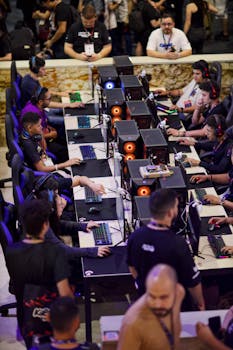
Competitive gaming asks for sustained alertness and tight control. Players approach each action with intention—tracking scores, adjusting strategies, and communicating to maximize every moment.
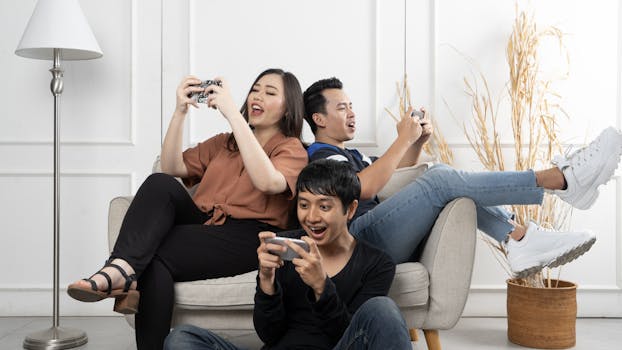
Casual play feels less structured, with gamers shifting gears to enjoy spontaneous conversations, experiment with in-game tricks, or simply try out new characters without overthinking outcomes.
Preparation Rituals Split by Seriousness
Before a competitive match, gamers usually review tactics, calibrate equipment, and run drills. You might see phrases like, “Let’s coordinate everyone’s roles,” or notice people stretching their wrists.
In contrast, relaxed sessions often begin with players chatting about their day. They grab snacks, joke about upcoming strategies, or pick random teams without much debate. There’s no pressure to perform at peak.
The difference in prep changes energy and expectations. Choose your start based on your current mood—focused or free-form offers their own enjoyment.
Communication Styles Reveal Goals
Competitive gaming leans into fast, clear communication—callouts like “enemy left, rotate mid” fill the voice chats. Tone is direct, and feedback is focused on real-time improvement.
During casual games, speech is more relaxed. Friends swap stories unrelated to the game, react to funny moments, and use humor to deal with mistakes or mishaps rather than offering technical advice.
Recognizing these communication cues lets you match your own wording to the group’s rhythm, avoiding misunderstandings and keeping the game fun for all.
| Aspect | Competitive Gaming | Casual Play | Actionable Difference |
|---|---|---|---|
| Preparation | Deliberate plans, warm-ups | Spontaneous, light-hearted | Decide: prep with a checklist or dive straight in |
| Mindset | Results-driven, strategic | Experience over outcome | Set your own win/lose priorities before joining |
| Team Dynamics | Role clarity, high expectations | Flexible, inclusive | Ask teammates if they want defined roles or flexible play |
| Motivation | Progress, rankings | Fun, socializing | Check why you’re logging in today: ladder climb or chill? |
| Learning | Continuous improvement focus | Pick up tips passively | Track progress or just learn on the fly |
Setting Goals Guides Engagement and Personal Satisfaction
Deciding what you want from a session changes the entire vibe. If you’re drawn to competitive gaming, improvement and measurable progress fuel motivation and determine how success feels.
Casual play anchors itself in making great memories or blowing off steam. Players connect through shared laughs rather than tallying up rankings or in-game achievements as their primary metric.
Session Structure Reflects Your Intentions
Competitive matches almost always have set timeframes, rules, and review periods. Saying, “Let’s run best of five with commentary” turns the match into a training ground for new tricks.
Casual groups drift into games loosely, sometimes mixing in real-life stories or distractions. Rules bend to fit the group’s mood and sometimes you skip scorekeeping entirely for a relaxed feel.
- Pick signature warm-up routines before ranked matches—it helps your brain shift into focus and signals seriousness to teammates.
- Share intentions upfront—ask “Are we going hard this session or just hanging out?” to help others calibrate expectations, reducing awkwardness or frustration.
- Review outcomes after competitive games—jot down one learning point even if you lose, which fuels steady improvement and channels disappointment productively.
- Rotate hosts for casual groups—keeps energy fresh and allows everyone a voice in shaping the session’s atmosphere.
- Celebrate simple wins during casual play—shouting out “awesome move!” spreads positivity and reminds the group fun matters more than flawless execution.
Pausing occasionally to check in with your gaming goals redirects your energy. Adapt your actions based on group dynamics to get greater satisfaction every session.
Accountability Emerges in High-Stakes Play
Teams performing at a competitive gaming level rely on each other to show up on time. Reliable teammates mean fewer excuses and higher-quality matches.
For friends in a casual environment, flexibility reigns. If someone runs late, the group finds ways to include them without judgment or grudges building over missed schedules.
- Confirm attendance for practice sessions—group chats or scheduling apps ensure consistent turnout and limit wasted time for teams working on improvement.
- Share feedback respectfully in competitive groups—phrases like “next time, let’s try X” replace finger-pointing and help everyone grow.
- Offer reminders before matches—short messages like “see you at 8 p.m. sharp?” encourage broader buy-in without feeling bossy.
- Maintain open invitation lists for casual gatherings—drop-in culture keeps friendships alive and reduces pressure if schedules shift.
- Reschedule or adapt if plans fall through—prioritizing flexibility sustains morale, whether you end up playing a different game or just hanging out instead.
Choose support systems that fit your goal—strict accountability improves competitive performance, while open flexibility keeps casual play welcoming and stress-free.
Managing Stress Requires Targeted Approaches for Each Mode
Stress levels differ markedly between competitive gaming and casual play. Tweaking your approach can maximize enjoyment while keeping frustration low in any game setting you choose.
When you sense pressure rising, shift your self-talk or in-game tactics so frustration doesn’t damage your motivation or your relationships with others.
Competitive Gaming Needs Coping Mechanisms
Recognize physical cues—tight shoulders, holding your breath mean it’s time to slow down between rounds. A player might say, “Give me 30 seconds to reset before next map.”
Breathe deeply and take a sip of water before returning to action. Record lessons learned after losses instead of focusing only on mistakes, turning negative feelings into growth steps.
Team huddles with clear, calm voices create an anchor in stressful moments. Restate your game plan together and share simple, actionable reminders to maintain team composure under pressure.
Casual Play Restores Balance with Lighthearted Habits
If tension creeps in—maybe smack talk gets heated—pause and suggest a mini-break. Everyone stretches or shares something positive from the week before diving back into play.
Keep gestures and facial expressions open and relaxed. Focus on enjoying fun moments, whether it’s an accidental victory or a shared in-game fail, reinforcing that perfection isn’t the goal.
Switch activities if burnout looms. Suggest, “Let’s try a new map or swap games for a bit,” to reset group energy and keep the mood upbeat for everyone involved.
Tracking Improvement Reveals Motivation Differences for Every Player
Competitive gaming values quantifiable growth—climbing ranks, tracking stats, and benchmarking against others to fuel long-term commitment and goal setting.
Casual players may note improvement through an easier time finishing a tricky level or laughing about earlier slip-ups, but rarely set measured targets for revisiting skills later on.
Analyze Performance for Targeted Growth
Review replays or stats after competitive sessions. Write down three things you did well and two areas for future practice. This simple process keeps improvement both rewarding and concrete.
Share progress in team channels: “I landed three more headshots this week!” builds positive momentum and lets peers celebrate your growth alongside you.
Use stats trackers or in-game metrics to mark milestones. Choose one number to focus on (like accuracy) and set a weekly mini-goal, such as boosting your rate by two percent.
Casual Play Rewards Relaxed Milestones
Notice organic improvement: “Did you see my timing on that chase? A month ago, I’d have missed it!” allows gentle self-recognition without pressure.
Encourage memory sharing among friends: stories from past games become benchmarks, showing how group skills shift naturally over time, nurturing camaraderie and personal pride.
Adjust future sessions around collective moods. If laughter faded last week, brainstorm together on new maps, house rules, or game modes to inject fresh energy or friendly rivalry.
Embracing Your Playstyle Transforms Every Gaming Session
Competitive gaming and relaxed play offer distinct pathways to growth, satisfaction, and social bonds. Recognizing which approach fits your goals on any given night brings the most from every session.
Whether climbing leaderboards or laughing as you explore a new co-op adventure, your mindset, group dynamics, and feedback tools matter. Use these strategies intentionally and you’ll maximize both skill gain and joy each time you play.
As you move forward, tune into your energy, communicate with your group, and test new habits. The journey in gaming becomes richer when you meet each moment with intention and an openness to adapt.