
Anúncios
The dog that could transform your life is just waiting for you to take the first step.
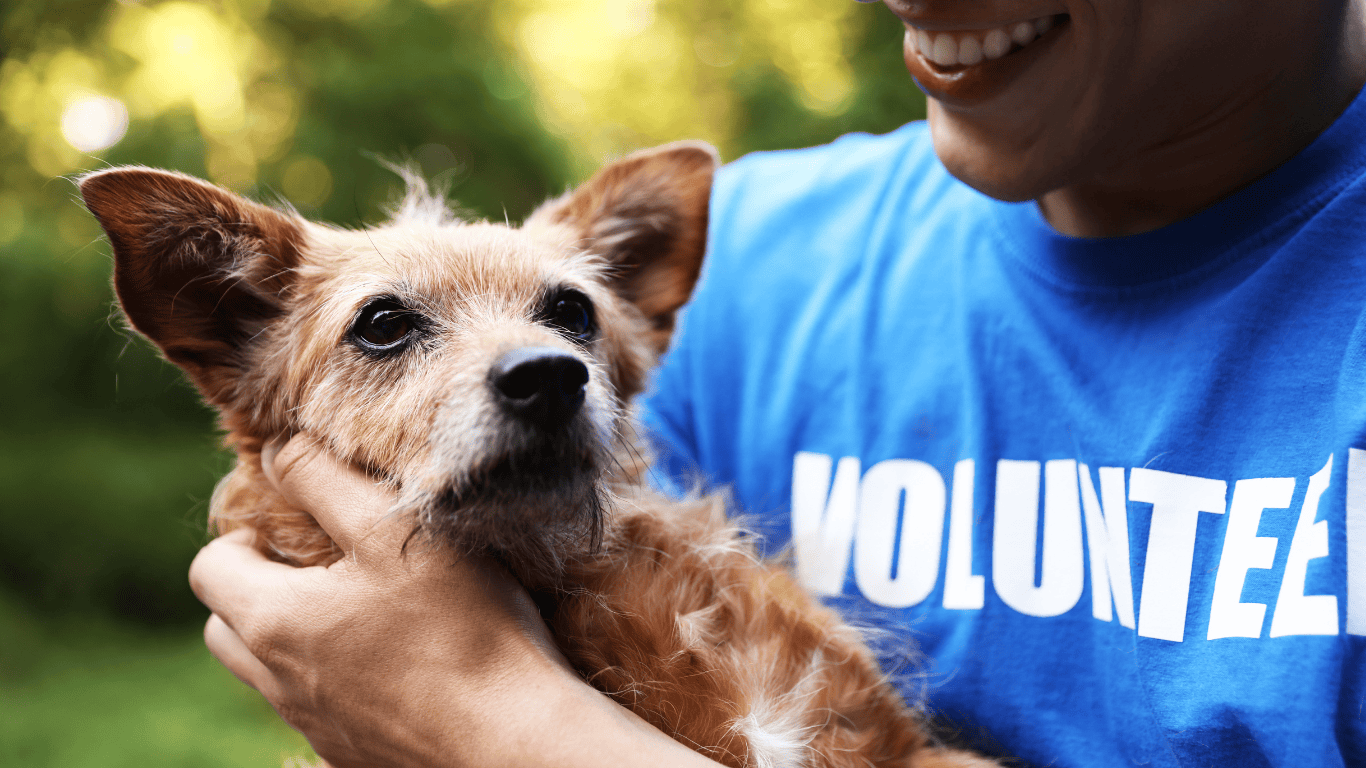
What You Need to Know Before Adopting a Dog
Adopting a dog is a decision that involves emotion, responsibility, and significant changes to your routine, requiring careful reflection before taking this important step.
Many people fall in love with the idea of having a loyal companion, but don’t always consider all the challenges involved in this long-term commitment.
That’s why understanding both the benefits and the difficulties of adoption is essential to avoid frustration and ensure a healthy, lasting relationship.
Below, you’ll discover the main advantages and disadvantages you should evaluate before making this very special decision.
Advantages of Adopting a Dog
- Companionship and reduced loneliness: Having a dog brings constant presence and genuine affection, helping reduce feelings of loneliness and adding emotional lightness to your daily life.
- Unconditional love: Dogs form deep bonds with their owners, offering true affection without judgment, strengthening emotional connection and overall well-being.
- Encouragement of a healthier routine: The need for walks and care promotes a more active lifestyle, helping improve both physical and mental health.
- Positive social impact: By adopting, you help reduce the number of abandoned animals and directly contribute to an important and meaningful social cause.
- Development of responsibility: Caring for a dog requires daily commitment, strengthening your sense of responsibility and organization in your routine.
Disadvantages of Adopting a Dog
- Ongoing costs: Food, veterinary care, and accessories create continuous expenses, requiring financial planning to ensure the animal’s well-being over the years.
- Need for time and dedication: Dogs require daily attention, which can be challenging for people with very busy schedules or limited availability.
- Possible behavioral issues: Some dogs may have trauma or difficult behaviors, requiring patience, adaptation, and sometimes professional support.
- Changes in routine: Travel, outings, and commitments require extra planning, as the animal depends on consistent care and your presence.
- Long-term commitment: Adopting a dog means taking responsibility for many years, which can impact future personal and professional decisions.
Conclusion
Adopting a dog is a choice that goes far beyond emotion—it requires awareness, preparation, and a willingness to face challenges with responsibility and care.
By understanding both the advantages and disadvantages, you become more prepared to make a safe decision aligned with your current reality.
This reflection is essential to ensure not only your well-being but also the quality of life of the animal over the years.
In the end, when done responsibly, adoption becomes one of the most rewarding and life-changing experiences a person can have.
How to Choose the Best Dog Food After Adoption?
Is Pet Insurance Worth It for an Adopted Dog or an Unnecessary Expense?
Are There Health Plans for Dogs and How Do They Work in the U.S.?
What Are the Real Costs and Routine Required Before Adopting a Dog?
Wrong Choice Can Be Costly: Discover the Ideal Dog Size for Your Routine
Choosing the ideal size of a dog goes far beyond aesthetics—it directly impacts your daily routine and the animal’s well-being. Each size comes with specific needs related to space, food, and exercise that must be carefully considered. Before deciding, it’s essential to evaluate your lifestyle and understand which profile suits you best.
Small dogs tend to adapt well to apartments and quieter routines, requiring less physical space in everyday life. Medium-sized dogs, on the other hand, offer a balance between energy and adaptability, making them ideal for more active households. Large dogs need more space and attention to exercise, being better suited for larger environments.
Beyond space, also consider the time you have available for walks, playtime, and daily care. The choice of size directly impacts costs related to food, healthcare, and long-term maintenance. Carefully evaluating these factors helps prevent future frustrations and increases the chances of a harmonious relationship.
Choosing the right size means ensuring quality of life for both you and your dog over the years. With a conscious decision, adaptation becomes easier and the bond naturally strengthens.
In the end, what matters most is choosing responsibly, thinking about the well-being and happiness of both. This initial care makes all the difference for a positive and lasting experience between owner and pet from the very beginning, with emotional balance and security in daily life.


