Anúncios
Every time you recall a favorite movie scene, game level, or concert, you’re reliving a crafted moment. That experience didn’t just happen—it’s a result of careful entertainment design at work.
When we talk about what makes an entertainment event stand out, design is central. Sound, visuals, space, and interaction all shape how the memory forms in your mind, affecting what you’ll remember years from now.
This article unpacks essential entertainment design strategies, showing how creative choices transform ordinary moments into lasting memories. If you’re ready to make your projects unforgettable, read on for practical insights and real-world examples.
Design Principles That Boost Memory Formation From the Start
Applying strong entertainment design principles from the first brainstorming session increases the odds of making a lasting impact. By focusing on the senses and the story structure, designers set the stage for powerful user reactions.
Intentional choices—like color palettes, spatial sound, and interactive elements—hardwire emotional responses. When these aspects come together seamlessly, audiences stay engaged and return for more.
Visual Storytelling Clarifies Emotional Focus
When users remember an experience, certain images come to mind first. Designers intentionally guide this process by using motifs, lighting, and movement to highlight a core emotion throughout the journey.
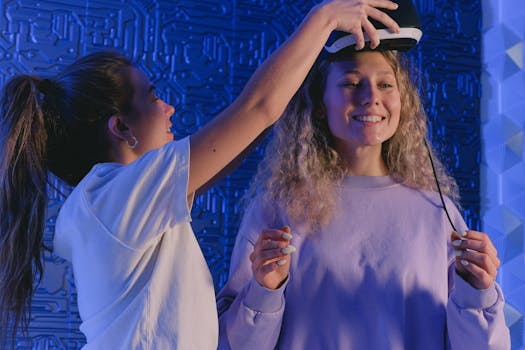
For example, consistent blue lighting might signal calm, while a sudden change to red triggers a sense of urgency. These visual strategies make key moments memorable in entertainment design.
Try ending your next showpiece with a symbolic prop—audiences will anchor that image to the moment, improving memory recall and emotional resonance.
Sound and Music Shape Reactions
Entertainment design uses music to cue reactions and signal transitions. A rising chord can lead the audience from anticipation to excitement, amplifying the mood of a scene or challenge.
Sonic branding—like a theme song or unique sound effect—anchors the experience so instantly that fans hum the tune days later. Mixing audio layers also adds depth without distracting from the action.
Set your environment’s emotional tone with a short, repeatable melody audiences can associate with your brand or story, reinforcing lasting connections.
| Element | Purpose | Real-world Example | Next Step |
|---|---|---|---|
| Lighting | Set mood, highlight moments | Live concert spotlight sweeps | Test lighting cues for different scenes |
| Spatial Sound | Direct audience attention | Surround effects in theme parks | Layer ambient and focal sounds |
| Interactive Props | Increase involvement | Escape rooms with tactile clues | Prototype hands-on features early |
| Thematic Color | Evokes emotional responses | Blue for mystery, gold for success | Standardize palettes for key beats |
| Narrative Structure | Guide memorable experiences | Three-act arc in interactive apps | Storyboard pivotal emotional highs |
Sensory Cues Guide User Focus and Emotional Takeaways
In entertainment design, sensory cues determine what users notice, feel, and remember. Strong projects weave together subtle prompts—lighting, sound, or tactile feedback—to draw the audience toward critical moments.
Use “selective emphasis” to spotlight must-see material. For instance, cue a gentle light pulse on an object when you want people to interact with it in a digital environment.
Consistent Signals Build Sustained Engagement
Audiences trust experiences with predictable sensory cues. When a familiar sound plays for every win or mistake, the feedback loop strengthens learning and emotional impact. Build this consistency into every layer of the experience.
The repetition ties actions together, guiding users through the entertainment design without confusion or overwhelm. Each cue becomes shorthand for a specific response—joy, caution, or progression.
- Color-coding controls: Use bold colors for buttons tied to core actions, increasing visibility and reducing user hesitation during critical moments.
- Layered sound effects: Reinforce each action with distinct audio, helping users differentiate between rewards and risks with just a brief sound.
- Motion and vibration: In mobile and AR entertainment design, animated haptics signal when to pay attention, turning subtle device feedback into memorable patterns.
- Guided lighting: Transition lighting to focus the audience’s eyes—a spotlight draws attention to the host, or a colored flash highlights an achievement.
- Thematic scents: High-end venues use subtle aroma-making to deepen immersion; a chocolate-themed exhibit might pump cocoa scent during entry.
Blending cues is especially effective when they support each other. For instance, pairing a drumroll with spotlight movement primes an audience for the upcoming reveal, locking the event into memory.
Micro-moments Keep Users Curious and Active
Small, satisfying feedback during each step of an activity encourages users to continue exploring. In entertainment design, a gentle beep after a correct guess, or glittering animation after completing a task, adds reward instantly.
Every micro-moment becomes a breadcrumb, nudging audiences toward the next milestone. The frequent positive reinforcement trains users to anticipate rewards, shaping both short-term enjoyment and long-term fondness for the experience.
- Flash celebratory effects: Add confetti showers when users reach mini-goals. This signals progress, creates delight, and invites them to pursue the next level.
- Pulse icons on every tap: In interactive apps, pulsing an icon each time it’s tapped confirms the action worked and quietly encourages repeat engagement.
- Pop-up hints: Offer quick-text tips after missteps. A brief message like “Try swiping up next!” corrects errors in real time, reducing frustration and boosting confidence.
- Auto-play audio snippets: Provide quick feedback with a clap, laugh, or short phrase after key actions, turning invisible accomplishments into memorable events.
- Mini animations for transitions: Animate screen changes with brief spirals or flips, so transitions themselves feel rewarding—not just steps between scenes.
Each micro-moment leverages anticipation to keep audiences moving forward, making every step of the entertainment design journey feel meaningful and personal.
Personalization Anchors Experiences to Individual Memories
Letting users make choices within entertainment design increases ownership. The process of picking an avatar, setting a scene, or customizing content helps embed each moment into the individual’s long-term memory.
Personalization isn’t just about names or colors. By tying story outcomes to player choices, entertainment design professionals foster a sense of agency users can remember and describe to their friends.
User-driven Customization Creates Stakeholder Value
Entertainment design reaches maximum impact when users feel their actions matter. For instance, in a user engagement app, letting someone select the ending or alter a path directly rewards exploration and attention.
“I picked the blue character and unlocked the secret room” becomes a compelling, personal story—not just a generic review. People return to experiences where their input truly shapes what happens next.
Encourage users to describe what changed because of their choices. Sharing those stories with others reinforces their involvement, strengthening loyalty and the desire to return.
Memorable Choices Stand the Test of Time
Making one meaningful choice, especially in a gamified experience, sticks in users’ memories far longer than completing dozens of similar tasks. Strategic entertainment design gives every choice visible impact.
Contrast this approach with static formats where input has little effect—users tend to forget one-off experiences quickly. Instead, design branches or special moments that highlight the result of personal decisions.
Celebrate these choices in your app or show: build in instant feedback and visual cues to spotlight the long-term influence of a decision, so users recognize the weight of their involvement.
Narrative Flow Enhances Emotional Engagement and Retention
Sequencing is everything in entertainment design—deciding what’s revealed, when, and in what order can deepen emotional connections or disrupt them entirely. Strong narrative flow doubles engagement time and increases memory retention.
Just as a well-planned playlist or story arc maintains attention, designers must guide the audience smoothly between scenes. Poor transitions break immersion, but satisfying resolutions create anticipation for future experiences.
Building Anticipation with Pacing
Pacing keeps people on the edge of their seats or allows for moments of reflection. Experienced entertainment design teams plan rising tension and gentle release to manage users’ emotional energy and focus.
For example, a digital concert app might build to a crescendo, then give users a brief interactive break to share reactions before launching the encore. These beats become emotional touchpoints.
As a take-home rule, alternate action-intensive sequences with short, low-stress moments—this keeps audiences invested longer and coming back for new chapters.
Tying Threads Together for Satisfying Closure
Loose ends frustrate users. Entertainment design works best when each story thread gets some payoff, encouraging people to trust the journey and recommend it to friends.
Finish levels, story arcs, or live events by clearly showing how actions led to outcomes. This helps users make sense of the adventure and remember their favorite parts with pride.
Wrap up each section of your offering with a distinct visual, audio cue, or story reveal—providing closure that also teases the next engagement stage.
Multi-sensory Integration Maintains High Immersion
Immersive entertainment design blends visuals, audio, haptics, and sometimes even scent to transport users beyond the ordinary. Every layer should align with the theme, rejecting distractions and supporting core goals.
When all senses are activated in harmony, audiences feel the environment is real, heightening emotional response and strengthening memory.
Aligning Senses Creates Credibility
If sight and sound don’t match—like a scary soundtrack in a peaceful setting—users lose trust. Effective entertainment design checks for sensory mismatches, using analogies from real life (e.g., a kitchen timer beep means food is ready) as a guide.
Try mapping one story beat to a specific set of coordinated cues: green lights, cheery music, and soft plush props all signal “safety.” Users instantly associate this moment with feeling relaxed and secure.
Conduct a walk-through: ask peers to comment on whether all sensory signals fit together. Streamline areas where distractions might undercut the core message, creating an experience people want to revisit.
Layering Tactile Feedback Deepens Involvement
Adding haptic feedback—such as controller vibrations, rumbling seats, or textured screens—anchors experiences physically. Hands-on cues make actions feel real, so users instinctively repeat them and remember the outcomes.
Entertainment design can mimic real-world sensations (for example, cold mist at a virtual waterfall) to further blur the line between digital and physical. Each tactile layer makes immersion more complete.
Offer a test phase with optional tactile features; invite users to describe how it shaped their emotional response. Use these insights to refine which sensations support the story best.
Real-Time Feedback Transforms Passive Observers into Participants
Active participation turns amusement into attachment. Instant feedback—on achievements, missed steps, or creative input—encourages users to own their journey. Entertainment design excels at moving audiences from watching to acting.
Attention spikes when users sense their presence is noticed. Immediate responses (lights flash, leaderboards update, or avatars react) amplify fun and reinforce progression for everyone involved.
Game Mechanics Create Engagement Loops
Scoring, time limits, and achievement badges are well-known entertainment design tools. These features offer measurable goals, so audiences set targets, track progress, and earn status within a group.
Sample phrase: “I’m one badge away from reaching gold status!” Such phrases circulate, keeping the buzz alive and urging others to compete and return.
Embed real-time progress bars, notifications, or rewards in your design. With each milestone, users experience a sense of accomplishment and a desire to push further.
Adapting On the Fly Increases Value
Error correction and choice adaptation keep people engaged. For instance, an app can offer tips if a user struggles, or let them choose tougher levels as skills improve.
Instant feedback shows users they’re valued and encourages repeated attempts—failure isn’t defeat but a step toward mastery. Entertainment design shines here, creating environments where risk is safe and learning feels rewarding.
Design optional levels or unlockable challenges, so everyone feels their skills and preferences are recognized and honored throughout the entire experience.
Conclusion: Elevate Any Project with Strategic Entertainment Design
Every memorable entertainment experience, from splashy theme parks to intimate digital quests, succeeds because strategic design decisions put the user at the center. Effective entertainment design transforms fleeting events into lasting stories shared with friends, family, and communities.
Whether planning your own project or enhancing an existing favorite, remember how sensory cues, narrative flow, personalization, and instant feedback each add a vital layer. The value of a well-crafted memory cannot be overstated in entertainment design.
Test, observe, and adapt your choices as you build. Every thoughtful design step creates a more engaging, vivid experience—one that invites users to return again, creating new memories each time.