Anúncios
The topic has wide appeal because immersive entertainment is reshaping how we play, learn, and connect. Whether through storytelling, gamified challenges, or groundbreaking tech, these formats engage in ways traditional media rarely match. Their lasting impact deserves a deeper look.
In the following sections, we’ll unravel the psychology, tactics, and technology behind what keeps people invested in immersive entertainment. Discover techniques, real-world examples, and practical steps for both creators aiming to engage— and users wanting richer experiences.
Clear Onboarding Makes Engagement Effortless In Immersive Experiences
Users stick with immersive entertainment when initial barriers are low, and clear onboarding guides their early steps. Getting started must feel inviting, never overwhelming.
Consider the effect of a seamless introduction: A simple prompt, like “Move forward to begin your quest,” can make someone instantly comfortable, opening the door to exploration without hesitation.
Providing Step-by-Step Onboarding Sequences
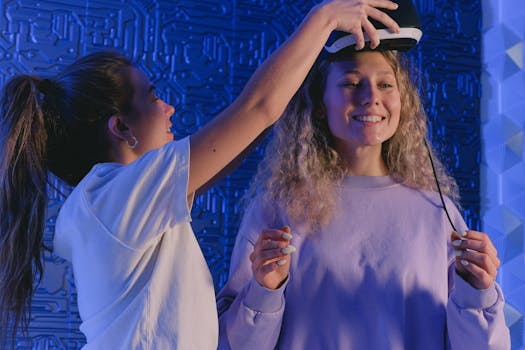
A smooth start sets lasting expectations. When first entering immersive entertainment platforms, users benefit from gentle instructions and gradual exposure to features. One welcoming message can shape a user’s immediate trust in the platform.
Think of a VR world introducing a visual line to follow. Users see exactly where to begin while having freedom to look around. This structured guidance reduces anxiety and builds positive momentum.
Scripts like, “Take two steps here, press this button to continue,” limit confusion and help users focus on fun rather than frustration. Each successive step makes complex activities feel natural.
Offering Micro-Choices to Build Agency
Micro-choices let users personalize their journey. When immersive entertainment prompts small decisions—choosing character outfits or initial paths—people feel quick ownership, even if the stakes seem light at first glance.
This agency motivates return visits. Each replay or session invites adjustments and revisits, all because choices unlock curiosity about alternate routes or outcomes. Engagement grows as users wonder: “What if I had chosen differently?”
Designers see success by mixing wide-open paths with subtle suggestions. A story-driven game might say: “Decide whom to trust for your next mission.” That phrasing both narrows options and empowers decision-making.
| Immersive Format | Onboarding Style | User Feeling | Takeaway Step |
|---|---|---|---|
| VR Escape Room | Tutorial walk-through | Guided, curious | Follow first prompt to feel comfortable |
| Interactive Concert | Avatar selection step | Personalized, playful | Choose an avatar reflecting mood |
| Story Game | Branching introductions | Empowered, invested | Make one key choice early |
| Gamified Fitness App | Goal-setting walkthrough | Motivated, clear | Set one simple goal to start |
| Virtual Museum | Interest-based recommendations | Curious, relaxed | Select one topic to explore |
Techniques That Animate Digital Spaces and Sustain User Curiosity
When immersive entertainment environments add kinetic details, such as shifting lighting, ambient sounds, or interactive elements, users dive in repeatedly. These details sustain excitement and offer an evolving sensory journey.
Consider a moment where a digital forest changes with time of day, and footsteps crunch differently based on path. Users recognize these micro-changes, piquing their curiosity to see what will shift next time.
Bringing Environments to Life with Realistic Cues
Adding realism keeps users engaged. Designers build trust by echoing real-life behaviors—birds fly away if you move quickly or raindrops create ripples with each step. Realistic feedback rewards users for playful exploration.
Creative teams include audio cues that match virtual actions, like water splashing under a bridge. When something unexpected happens, such as a hidden door creaking open with a subtle vibration, users feel physical and emotional connection.
Writers and developers break up repetition with unscripted events. For example, a virtual city festival popping up for a limited time encourages users to check back and take part.
- Explore new settings at set intervals so content feels fresh, not static. Changing landscapes give reasons for multiple visits to immersive entertainment spaces.
- Set personal goals, such as “find all secret rooms,” to drive sustained curiosity and encourage users to invest time over several sessions in a single experience.
- Participate in live community features—like flash mobs or collaborative quests—each adding surprise and novelty for users exploring immersive entertainment together.
- Test platform reactions to different actions; push the boundaries and see which environmental interactions are unique, opening up new favorites or hidden features daily.
- Seek seasonal updates or rotating themes, as these infuse regular entertainment with excitement, motivating users to return and experience timely surprises or challenges.
Each of these steps pushes beyond routine engagement, making every encounter feel original within immersive entertainment settings.
Sequencing Sensory Triggers for Deeper Engagement
Layering sound, visuals, and touch feedback is a precise art. When a platform adds rumble effects for thunder or ambient music that shifts with story beats, users enter a flow state, losing track of time.
People frequently return just to see which senses will be delighted next—similar to revisiting a favorite restaurant for both the food and the atmosphere. Users remember not just what they did but how the experience felt.
Developers can prompt, “Touch here and feel the vibration,” giving users an immediate reward that lingers as a memory. Each return then becomes an invitation to discover more sensory surprises.
- Test sound options to heighten immersion; richer audio customizes the digital space, letting users tune it to their mood or situation at every session.
- Try different appearance themes to fit new motives or times of day, increasing novelty and reinforcing how immersive entertainment adapts to user context.
- Document discoveries, such as “the hidden garden only glows at night,” reminding users of treasures yet to be found in repeated visits.
- Employ tactile accessories, like haptic vests or vibrating controllers, which convert ordinary moments into unforgettable adventures.
- Reflect on which sensory cues made the biggest impression—musical cues, lighting, or environmental effects—and request more of them from developers or communities.
These methods turn every digital session into a story worth revisiting, elevating immersive entertainment far beyond one-dimensional play.
Building Emotional Resonance Ensures Lasting Connections
Memorable immersive entertainment experiences evoke real emotions. Emotional resonance transforms fleeting enjoyment into loyalty and reflective attachment.
People return for stories that tug their heart or settings that let them express feelings safely: joy, wonder, suspense, or relief. This emotional cycle builds lasting connection.
Tapping Into Relatable Storylines and Dynamic Avatars
Dynamic storytelling embeds users into the narrative. When a character’s struggle mirrors our own “tough choice at work” or “unexpected win,” users say, “I’ve been there.” Connection deepens because the digital world now reflects genuine emotion.
Avatars unlock expressive nuance. Hugging a friend’s avatar, laughing with others, or even showing frustration through emotes lets users relieve and process feelings in a safe, engaging way.
This parallel life enables users to work through memories or experiment with new identities. Action step: Choose a character you relate to—and play through a challenge that echoes real life.
Integrating Feedback Loops and Supportive Communities
Communities amplify impact. In a well-tuned immersive entertainment platform, group accomplishments and quick feedback—such as upvotes on a creative build—build confidence through recognition.
Platforms that offer kind nudges (“You made a great choice!”) or highlight user achievements give moments of pride and safety that encourage users to return. Peer support multiplies resilience during failures and success during wins.
Try engaging once a day in a community event or discussion, sharing a triumph or lesson learned in immersive entertainment. This creates a cycle of positive expectation and emotional ownership.
Role-Switching Opportunities Drive Creative Replay Value
Immersive entertainment thrives when users aren’t stuck in one role. Role-switching—moving from hero to helper, builder to explorer—fuels creative curiosity and replay.
Allowing users to say, “Today I’m the detective, tomorrow I’ll be the villain,” multiplies hooks for return visits and inspires experimentation.
Experimenting with Roles to Foster New Skills
Trying unfamiliar roles expands social and thinking skills. Solving puzzles as a sidekick—watching, listening—reveals new layers compared to leading a team. Each shift uncovers different perspectives and skills, boosting personal growth.
Switching roles enables learning from others and shifting strategies. Today’s leader might learn patience as a participant tomorrow. Action: After each session, choose a new role intentionally, noting what new insight or tactic emerges.
In design, platforms can explicitly encourage “change it up” sessions with reminders or daily challenges, widening what’s possible—both for fun and for skill-building growth over time.
Encouraging Flexible Collaboration in Teams
Team-based immersive entertainment shines when each player rotates responsibilities. A group might say, “Let’s swap jobs every round so everyone gets to shine.” Flexibility keeps experiences fair and full of surprises for all involved.
Quick collaboration rules—like “Pass the leader hat every five minutes” or “Each person must pose the next puzzle”—cultivate respect, faster learning, and deeper team bonds.
Next time your group enters an immersive entertainment platform, script a leader rotation and intentionally thank the person who took on a hard role. You’ll see skills and friendships deepen.
Real-Time Feedback Sustains Motivation Through Challenges
When immersive entertainment platforms give instant feedback, difficult moments become fun challenges instead of roadblocks. Feedback sustains motivation and guides users to try again, rather than quit.
Simple buzzes during a correct action or encouraging messages after a setback keep the pace alive. Users don’t fear missteps—they see them as progress markers.
Pacing Feedback to Match the User’s Journey
Smart systems adjust feedback speed and intensity based on activity. After repeated attempts, positive guidance shifts from “Try again!” to “Consider a new angle on this clue.” This dynamic touch keeps users from frustration.
Designers can cue “Did you notice this hint nearby?” if a user stalls, mimicking helpful coaching in a board game or sports match. This respectful assistance keeps immersion intact without overpowering autonomy.
Next time you’re stuck, listen for feedback—then try one new technique immediately, using insights as experiment, not judgment.
Celebrating Progress and Mastery Along the Way
Small celebrations are vital milestones. When platforms offer fireworks for a finished puzzle or confetti after a series of correct taps, users link progress to joy. This keeps spirits high through every session.
Public recognition—like badges, progress boards, or “level up” banners—motivate teams to persevere and spark friendly competition. Recognition steps can be as simple as, “Share a cool discovery with the group chat.”
In your next immersive entertainment session, pause to enjoy each small win. Even sharing a tip with one friend keeps motivation naturally strong.
Personalization Makes Repeated Visits Welcoming and Unique
Users keep returning to immersive entertainment that remembers their preferences, achievements, and quirks. Every session feels personal, like walking into a favorite local cafe where the barista knows your order.
Personalized greetings, progress tracking, and handpicked recommendations make each visit distinct and rewarding—even for longer-term users.
Tailoring the Experience to User’s Choices
A system that adapts to user behavior—such as “You preferred art galleries last time; check out this new exhibition”—adds a sense of belonging. These micro-touches show respect for individuality, reinforcing positive habits and playful spontaneity.
Customization also extends to avatars, settings, and even challenge difficulty. Users feel seen and valued, not shuffled through generic routines. Action: Explore and regularly update personal preferences.
The most pleasant surprises arise from gentle reminders of past visits, such as, “Welcome back, your adventure awaits at level three.” People invest in immersive entertainment that values continuity.
Using AI and Adaptive Content for Deeper Immersion
Artificial intelligence offers context-aware responses—like adjusting story tone based on emotional cues. Platforms that notice a user’s gameplay style and gently pivot challenges ensure everyone finds their sweet spot.
Personalized content recommendations, from new music sets to mystery puzzles, make each session a new beginning. Adaptive environments adapt even environment size or weather to the day’s real-world mood, heightening realism.
In your next immersive entertainment visit, try toggling adaptive content to find your favorite experiences—then share your discoveries for even richer custom journeys.
Recap: Why Immersive Entertainment Wins Loyalty
Across onboarding, sensory details, emotional resonance, feedback, and personalization, immersive entertainment stands out for its dynamic, evolving engagement. Each moment offers actionable steps for users and creators to make digital experiences memorable and motivating.
Every session draws users back, not with generic novelty, but through relatable stories, personal value, and the thrill of discovering something new. This natural loop of curiosity, mastery, and connection is engineered by design yet powered by community choices.
Embracing immersive entertainment means welcoming technology’s playful, creative spirit into daily life—transforming digital time from passive viewing into active, joyful participation that users eagerly revisit. Next time you log in, notice which element calls you back and share that spark with others.